The Rise of the Intelligent Bathroom: Why Smart, Water-Efficient Design Is Moving Mainstream
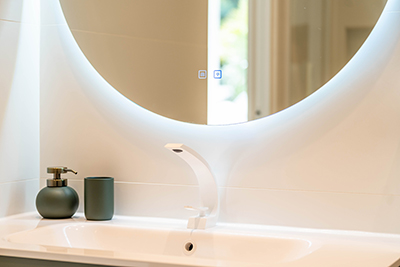
The bathroom has traditionally been one of the most functional spaces in the home. Today, however, the UK bathroom market is becoming one of the most technologically advanced.
Across the nation, consumers are rethinking what they expect from bathrooms. Convenience, sustainability, wellness and accessibility are increasingly influencing purchasing decisions, driving demand for products that combine smart technology with thoughtful design. What was once considered luxury within the bathroom market is rapidly becoming mainstream.
For bathroom manufacturers, distributors, installers and specifiers, the shift represents a significant opportunity. The businesses that understand how consumer expectations are evolving will be best positioned to benefit from the next phase of market growth.
Smart technology is moving beyond early adopters
One of the most notable themes emerging from Barbour ABI’s Bathroom Market Report UK 2026-2030, is the growing role of connected technologies in bathroom design. Smart products are no longer confined to premium residential projects. Increasing awareness, broader product ranges and greater affordability are bringing these solutions into mainstream applications.
The report highlights a range of bathroom innovations gaining traction, including:
- Smart shower toilets
- Touchless digital taps
- Connected mirrors
- Intelligent water monitoring systems
- Voice-controlled bathroom technologies
- Smart lighting and environmental controls
These products appeal for several reasons: they offer greater convenience, improve hygiene, enhance user comfort and can help reduce both water and energy consumption.
This trend mirrors wider developments in the smart home market. According to the Bathroom Market Report UK 2026-2030, around 42% of UK households own at least one smart home device in 2026, up from 35% in 2024. Approximately 18% of households now operate three or more connected devices as part of a smart home ecosystem.
As consumers become more comfortable with connected living, expectations for bathrooms are changing accordingly.
Sustainability is becoming a purchasing priority
Technology is only part of the story. The UK bathroom market is also being shaped by growing environmental awareness and tightening water-efficiency requirements. The report identifies sustainability as one of the most important drivers influencing future product development.
The UK Government has proposed revisions to Part G of the Building Regulations that would reduce the minimum water-efficiency standard for new homes from 125 litres per person per day to 105 litres per person per day, increasing the focus on water-saving fixtures, fittings and technologies. While the proposals have not yet been implemented, they signal the direction of future regulation.
This is encouraging bathroom product manufacturers to focus on:
- Low-flow taps
- Dual-flush toilets
- Water-saving flushing technologies
- Efficient bathroom controls
- Products designed for longevity and repairability
The forthcoming Mandatory Water Efficiency Label (MWEL) is also expected to make product comparisons easier for consumers and further accelerate adoption of water-efficient solutions.
The ‘Wellness Effect’
Another important factor driving innovation is the growing emphasis on health and wellbeing. Bathrooms are increasingly viewed as personal wellness spaces rather than purely functional rooms. The UK bathroom market report highlights continuing demand for spa-inspired environments featuring freestanding baths, ambient lighting, hydrotherapy systems and premium materials.
This trend aligns with broader consumer behaviour. Research from Houzz has consistently shown that homeowners undertaking bathroom renovations are willing to invest in features that improve comfort, relaxation and everyday quality of life. At the same time, wellness-focused home environments remain a major interior design trend globally, according to reports from the Global Wellness Institute.
For suppliers and manufacturers, wellness represents an opportunity to add value through improved design, enhanced functionality and integrated technologies.
Accessibility is no longer a niche market
Perhaps the most significant long-term opportunity lies in inclusive design. As the UK population continues to age, more consumers are looking to future-proof their homes. The UK bathroom market report notes increasing demand for products that support independent living, including accessible showers, wetrooms, walk-in baths, smart toilets and touchless controls.
This is not simply a healthcare issue. Accessible products increasingly appeal to a broad audience because they combine convenience, comfort and safety. Features originally designed to support mobility needs often deliver benefits for all users.
As a result, inclusive bathroom design is increasingly influencing mainstream product development rather than existing as a separate market segment.
Looking ahead at the bathroom market
While current market conditions remain challenging, the long-term direction of the UK bathroom market is increasingly clear.
The future bathroom will be smarter, more sustainable, more accessible and more connected. Technology, wellness and environmental performance are converging to reshape consumer expectations and create new opportunities throughout the supply chain.
For businesses operating within bathroom construction, understanding these shifts today could be the key to capturing growth tomorrow.
Want more insight?
The Bathroom Market Report UK 2026-2030 provides detailed analysis of market trends, product sectors, major suppliers, distribution channels and future growth opportunities across the UK bathroom market. It also includes market size, sector breakdowns and forecasts to 2030.
For companies looking to understand changing customer demand and identify emerging opportunities, the report offers comprehensive market intelligence for the next five years.
Recent Posts
- The Rise of the Intelligent Bathroom: Why Smart, Water-Efficient Design is Moving Mainstream
- Fleet Modernisation: The Rental Industry’s Competitive Edge
- Low‑Carbon Cladding for Future Homes
- UK Domestic Bedroom Furniture Market 2026-2030: Trends, Prospects and Opportunities
- From Volume to Value: How the UK Commercial Glazing Market is Changing
Categories
Archives
Share
Trusted by industry leaders






Use our market-leading construction intelligence to grow your business pipeline, win more work and secure more orders

Early access to project leads with Barbour ABI